
How to Optimize Space Utilization in Museums Through AI
By integrating AI technology, museums can now access detailed insights into visitor flow, patron counting, exhibit interaction, and space usage. With AI video analytics, museums can intelligently optimize their layouts, prevent overcrowding, guide visitors more effectively, and create a more immersive, seamless experience that benefits both the institution and its audiences. In this article, we will discuss the importance of space utilization and the application of visitor flow analysis.
Published
September 18, 2024
.png)
In today’s world, museums are not just protecting cultural heritage and artistic achievements; they are dynamic institutions that continually evolve to meet the needs of modern audiences. As visitor expectations rise, museums are tasked with creating interactive environments that not only showcase their collections but also provide a memorable experience.
One of the challenges for museums is optimizing these spaces to accommodate diverse visitor behaviors, ensuring both high-traffic areas and quieter spaces are utilized effectively. Traditional methods of managing space -such as manual visitor counts or observational studies- often fail to provide the necessary flexibility and real-time insights. These approaches can be time-consuming, prone to human error, and lacking the nuanced data required to make informed decisions about space utilization.
By integrating AI technology, museums can now access detailed insights into visitor flow, patron counting, exhibit interaction, and space usage. These analytics enable real-time monitoring and data-driven decision-making. It also allows museums for dynamic adjustments that enhance both operational efficiency and visitor satisfaction. With AI video analytics, museums can intelligently optimize their layouts, prevent overcrowding, guide visitors more effectively, and create a more immersive, seamless experience that benefits both the institution and its audiences. In this article, we will discuss the importance of space utilization and the application of visitor flow analysis.
The Importance of Space Utilization in Museums
Space utilization is a critical factor in ensuring museums provide an engaging and efficient visitor experience. A well-organized layout allows visitors to easily navigate the space, reducing congestion and ensuring that all exhibits receive attention. Effective space management also enhances exhibit protection, as it helps control the flow of visitors around delicate or high-value artifacts. When space is poorly utilized, museums can experience overcrowded areas and long queues, underused sections, and a diminished visitor experience.
As visitor expectations rise, traditional methods of space management, such as static layouts and manual observations, often fall short. To meet these demands, museums are increasingly turning to AI-powered video analytics to optimize space utilization. These tools provide real-time insights into visitor movement and behavior, allowing for dynamic adjustments to layouts and exhibit placement. By leveraging AI, museums can create more efficient, accessible spaces that improve visitor satisfaction while maximizing the impact of their collections and resources.
What is Visitor Flow Analysis?
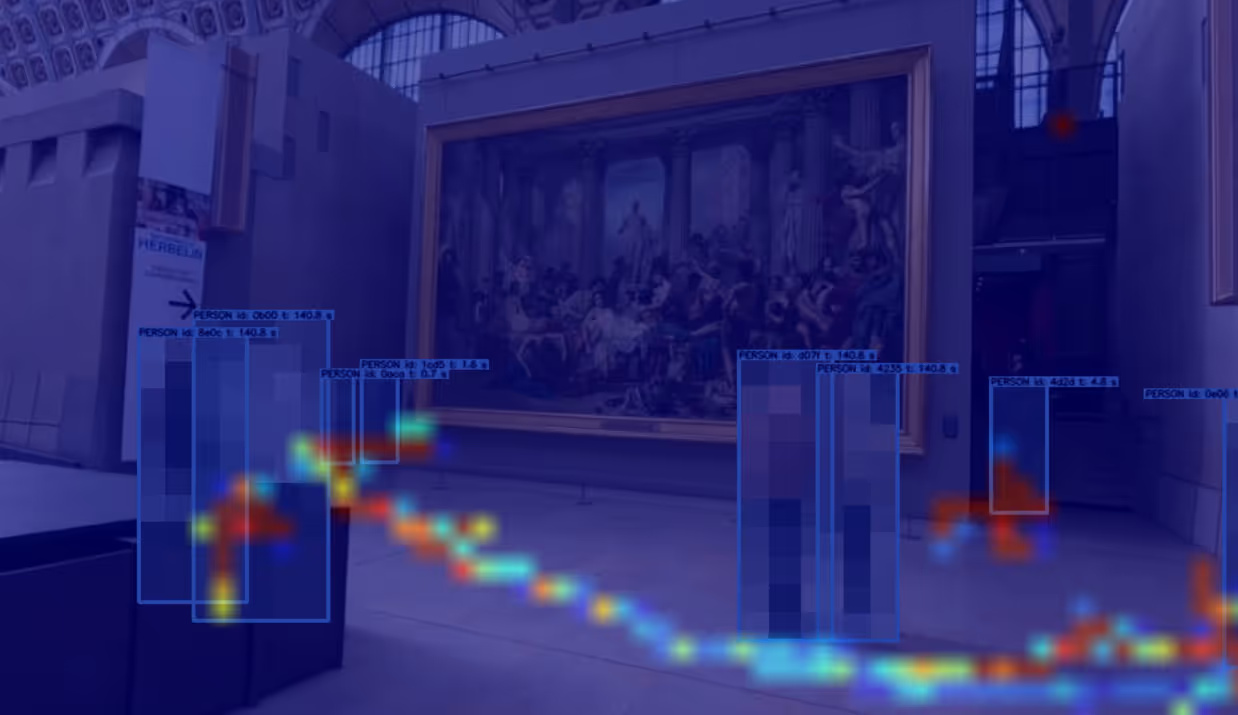
Visitor flow analysis is an essential tool for museums to better understand how visitors navigate through their exhibits and spaces. By monitoring the visitors' paths, museums can gain insights into which exhibits draw the most attention, how long people spend in certain areas, and the overall traffic patterns throughout the facility. This information is crucial for optimizing the layout of exhibitions, ensuring that high-interest items are easily accessible and visible to enhance the overall visitor experience. Informed by this data, museums can also reduce congestion in crowded areas and improve the overall people flow.
.avif)
With the introduction of AI-powered video analytics, museums can move beyond manual people counting and clickers, which are often time-consuming and prone to error. These automated systems provide real-time data, offering a more accurate and efficient way to analyze visitor flow. By utilizing these insights, museums can better manage crowd control, direct staff to high-traffic zones, and identify underutilized areas that could be repurposed for new exhibits or events. Moreover, AI-driven analytics help protect valuable exhibits by regulating visitor movement in sensitive areas, ultimately enhancing both visitor satisfaction and exhibit security.
Benefits of Visitor Flow Analysis in Museums
Improved Exhibit Placement
By analyzing visitor behavior, museums can design exhibitions based on visitor traffic to maximize engagement. Lesser-known exhibitions can be organized to guide visitors through the museum in a natural way. This prevents visitors from seeing only popular artifacts and concentrating on these areas.
Reducing Congestion and Queues
Visitor flow analysis helps museums identify high-traffic areas and peak hours. With this data, museum layouts can be adjusted to reduce potential congestion and visitor queues and manage crowds more effectively. This results in a more comfortable museum experience for visitors.
Enhancing Visitor Satisfaction
Visitor flow analysis improves the museum experience by optimizing exhibit placement and managing crowd flow. By tracking visitor movement, museums can reduce congestion, enhance accessibility, and create more engaging layouts. This leads to a smoother, more enjoyable visit, encouraging longer stays and repeat visits.
The Future of Museum Space Optimization with AI
Dynamic Space Management
AI-powered video analytics enable museums to make real-time adjustments to their layouts based on live visitor data, revolutionizing how they manage space during peak times. Traditionally, museums relied on static layouts and pre-planned crowd control measures, which often lacked the flexibility to respond to unexpected visitor behavior or sudden surges in traffic. However, with AI, museums can monitor visitor movement in real-time, identifying overcrowded areas, underutilized spaces, and potential bottlenecks as they happen. This dynamic approach allows museums to optimize the flow of foot traffic, ensuring a smoother and more enjoyable experience for all visitors.
AI-driven insights can inform decisions like opening additional galleries, changing exhibit signage, or even offering real-time recommendations to visitors via mobile apps, directing them to quieter zones. By responding dynamically to live data, museums can better manage visitor distribution, reduce congestion, and create a more efficient and personalized experience, particularly during peak times like weekends, holidays, or special events.
IoT (Internet of Things)
The future of space utilization is poised to evolve significantly with the integration of the Internet of Things (IoT). IoT technology will play a key role in enabling real-time monitoring of how spaces are used, collecting data from smart sensors to track occupancy, movement, and environmental conditions. This data will allow businesses, museums, and other public spaces to make informed decisions about space management, optimizing layouts based on live visitor behavior and needs. For instance, museums could use IoT systems to monitor foot traffic and automatically adjust lighting, temperature, or exhibit accessibility based on crowd density, improving both operational efficiency and the visitor experience.
More about Isarsoft
With Isarsoft Perception, your camera systems become part of your business intelligence. Whether the goal is to increase efficiency, customer satisfaction, or safety, Isarsoft Perception provides the insights needed for informed decisions.

Contact us, to learn more about how to turn security cameras into intelligent sensors.
Explore More Publications
.png)
Artwork Protection at Kunstmuseum Stuttgart with Isarsoft
To protect priceless artworks without resorting to ropes, glass cases, or rigid sensor grids, Kunstmuseum Stuttgart implemented Isarsoft Perception's AI-powered video analytics software. By converting its existing security camera infrastructure into invisible, precision-tuned protection zones, the museum is able to automate artwork protection in real time.
Monitoring Occupancy and Seat Availability in Public Transportation
Passenger counts tell operators how many people are on board, not where the remaining capacity is or what kind it is. We look at how seat-level and multifunctional-area occupancy monitoring gives transport operators that missing data.
.png)
On-Camera People Counting & Video Analytics with Isarsoft Perception Axis App
Isarsoft Perception now runs directly on the latest Axis cameras, eliminating the need for additional edge servers. Discover how on-camera analytics is transforming onboard vehicle deployment and opening the door to use cases previously limited by budget or space constraints.